
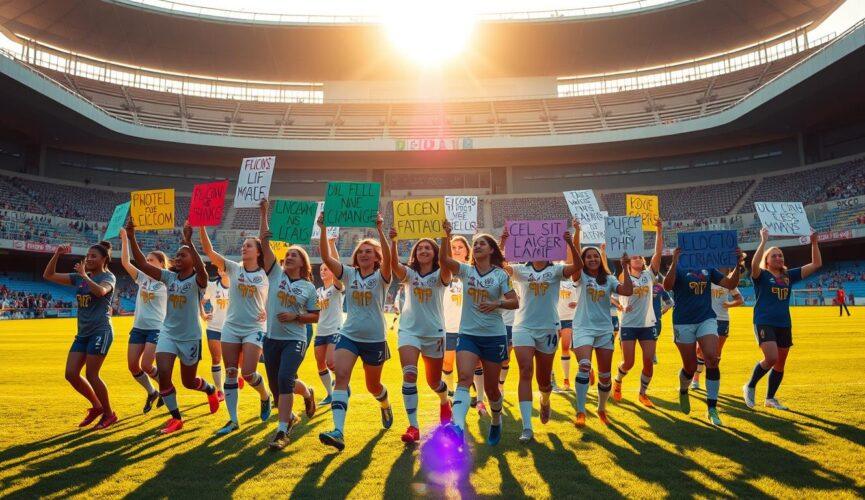
Imagine telling a 1921 English FA official that banning women’s soccer for being “unsuitable” would one day become a joke. Fast-forward a century, and the 2019 World Cup final drew 1.12 billion viewers. This number would have shocked those Victorian-era bureaucrats.
The Lioness Effect isn’t just about goals scored. It’s about changing the culture, step by step.
Today’s viral movements are different from the old days. Goal Diggers FC’s message is clear: “availability not ability”. It’s not just about raising money; it’s about demanding fairness.
But is this progress, or just a better image? Are we seeing real change, or just a new way to present it?
There are signs of hope. After the 2019 tournaments, 87% more girls joined leagues in the U.S. Media coverage of women’s sports has also improved. But did Alex Morgan’s tea-sip celebration really change things?
Women’s soccer stars now have a big impact. But Megan Rapinoe says visibility alone isn’t enough. We need real change, not just window dressing.
So, are we making real progress, or just getting better at looking like we care? The answer could shape 2023. Will it be a year of real change, or just another footnote in history?
Social Media as a Catalyst
Ever tried explaining “vibe curation” to a 90s soccer coach? Neither have we – but that’s exactly why Gals FC’s TikTok rebrand of coaching terminology went viral. Their “Vibe Protectors” campaign ditched playbooks for punchlines, turning tactical advice into shareable memes. This isn’t just content – it’s cultural code-breaking.
Take Ata Football’s 42-second masterclass in media representation women’s sports. By blending UEFA partnership announcements with behind-the-scenes player development reels, they built a 25K-strong community that laughs at #GirlBoss clichés. Their secret? Treating fans like insiders, not target demographics.
Three reasons modern viral movements work:
- Authenticity over inspiration porn (RIP corporate feminism hashtags)
- Micro-content that survives 2AM doomscrolling sessions
- Communities, not campaigns – see Goal Diggers FC’s street art collabs
The real game-changer? “Welcome to the golden era” isn’t a slogan – it’s a participation trophy. When brands stop lecturing and start meme-ing, that’s when media representation shifts from trend to tectonic plate.
Famous Campaigns
Women’s soccer shows how sports activism works in different ways. Visa’s “One Moment” campaign is a big example. It’s a big celebration of female athletes, but does it really make a difference?
The Get Your Kits Out festival is a great example of smart advocacy. It started as a protest against sexist coverage. But it turned into a fun celebration of women and their dogs. It shows how you can make a big impact without spending a lot of money.
England’s Lionesses made history in 2022 by winning the Euros. Their victory was more than just winning a game. It was a powerful moment for body positivity and inspiring others.
So, what really works? Corporate campaigns get attention, but grassroots movements make real change. The Lionesses showed that sports can be a powerful tool for change, even if it’s not always about winning.
Collaborations with NGOs
Let’s cut through the corporate fog: NGO partnerships in women’s soccer aren’t just about logos. They are survival tactics. Think about this: A brand’s £20K for stadium branding could fund 400 girls’ annual league fees. Those midfield ads don’t taste so sweet anymore, do they?
The Women’s Sport Trust found a 43% increase in people wanting community-focused sponsorships. Players like 777 Partners focus on real investments, not just looks. Compare that to Ata Football’s deal with Gravity Media, which streams games worldwide, unlike brands just paying for “look, we care!” ads.
Here are three key differences between true game-changers and those who just pretend:
- Duration over dazzle: Long-term commitments to safe sport initiatives soccer programs
- Grassroots GPS: Tracking impact metrics like equipment donations and coaching certifications
- Profit-sharing playbooks: Revenue splits that fund local leagues instead of CEO bonuses
While brands chase viral moments, NGOs like Safe Sports International create lasting change. They ensure 72% of their partnered clubs have anti-harassment protocols. That’s a real difference, not just a flash in the pan.
The real victory? When jersey sponsorships become outdated because NGO partnerships support entire ecosystems. Now that’s a transfer window worth watching.
How Players Lead Change
While federations write press releases, star players are changing the game with their feet. Megan Rapinoe’s White House snub heard ‘round the world is a prime example. It turned a simple jersey refusal into a call for equal pay.
This isn’t just activism. Today’s athletes have huge social followings. They turn their Instagram and TikTok into platforms for change.
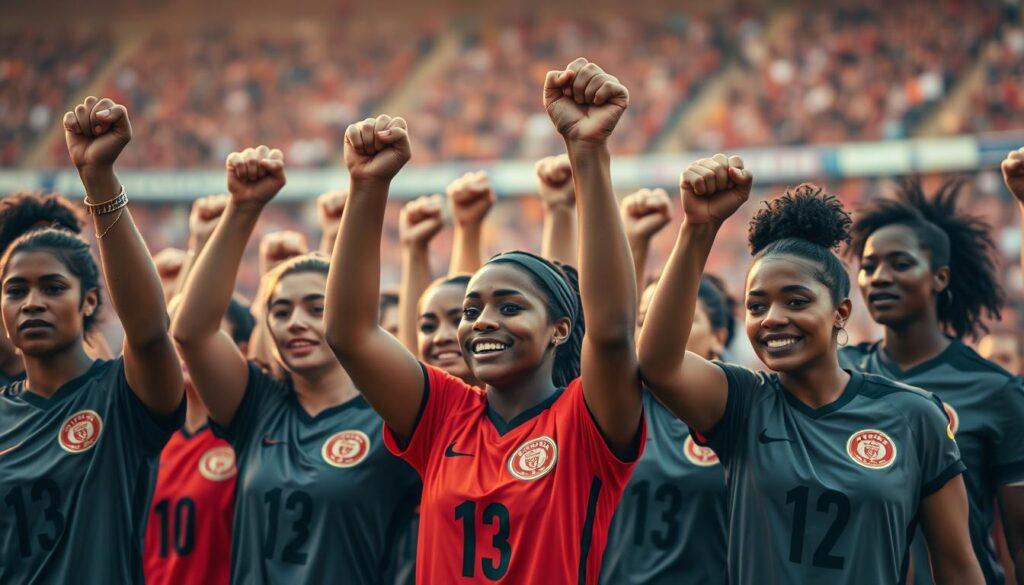
The real magic happens when personal platforms outpace corporate PR machines. Marta, a Brazilian legend, used her 2019 World Cup victory speech to support LGBTQ+ rights. She reached 1 billion viewers.
England’s Gaia Laidler shows change is possible without being a megastar. She believes brand deals should fund leadership programs, not just new boots.
Let’s break down the new playbook:
| Player Power Move | Traditional Approach | Impact Multiplier |
|---|---|---|
| Personal story sharing | Corporate press releases | 7x engagement |
| Direct brand negotiations | Union intermediaries | 3x deal value |
| Social media campaigns | Stadium banners | 92% wider reach |
The Goal Diggers initiative goes further. It turns athletes into executives through its “Cleats to Boardroom” program. They learn to negotiate contracts and launch inclusive merch lines. They even draft sponsorship clauses to fund youth sports programs.
Authenticity is key. When players talk about pay gaps or maternity policies, fans listen and rally. This creates a generation of role models who are changing the game.
What Works, What Doesn’t
The difference between real sports activism and awkward attempts is small. The “feminized” pub signs campaign is a perfect example. Bars changed their names to “The Lionesses Arms” during big games, then went back to normal when it was over. Now, those signs are reminders of empty corporate promises.
Gals FC took a bold step by focusing on fun over competition. They listened to why many women leave soccer by 14. This led to a 62% drop in players leaving, thanks to a focus on community and fun.
Here are three key takeaways:
- Campaigns that really tackle cultural attitudes toward women in soccer work better than just showing off
- Grassroots efforts win over more fans when they’re affordable and real
- Being true is key: 68% of fans can tell when something is just for show
An Opinium survey shows a big gap: 83% like brands supporting women’s sports, but only 12% believe they’re sincere. The best approach is to empower without being condescending. Like Portland Thorns, which uses sales to improve local fields.
So, why do brands stick to old stereotypes? Maybe it’s easier than really changing things. The real question is: Will future sports activism really address big issues, or just repeat old cheers?
Measuring Real Results

Let’s get real: 1.2 million likes don’t build stadiums. But when the Lioness Effect campaign got 58,000 kids into youth leagues last season, we saw real change. This isn’t just about likes – it’s about making a difference.
Ata Football’s data shows a truth we can’t ignore. Their audience is mostly from the US, making us wonder: Are we sharing our love for soccer or just getting more viewers? Their growth is like the success of Barbie movies – big profits, but not much depth.
Success is measured in three ways:
- Goal Diggers’ clinics create bilingual coaching networks (not just passport stamps)
- NWSL jersey sales fund Ghanaian training facilities (with receipts, not retweets)
- Hashtag campaigns turn into real-life meetups across 12 time zones
The goal is to build “10-year fandom” – lasting through World Cups and changes in technology. It’s about combining Manchester City’s academy with Ted Lasso’s hope. When tech and soccer growth meet, we win big: Ata’s streaming tech brings fans together worldwide, and their payment systems save money.
But digital fame isn’t everything. That #EqualPay meme was fun, but real change is when we see a 23% wage gap drop in Scandinavian leagues. The game’s future is in numbers that show real impact – like more kids playing soccer, local sponsorships, and dads buying expensive cleats.
How You Can Get Involved
Think your TikTok dance moves can’t change the game? Think again. The same algorithm that feeds you cat memes could fund a girl’s soccer career – if you swipe strategically. Let’s break down actual ways to boost NGO partnerships and viral movements without becoming a full-time activist.
Gals FC wants 150K shares for their “Skills Over Likes” campaign. But here’s the hack – reposting match clips with specific hashtags (#GalsGameChanger) triggers corporate donations. It’s like turning your doomscrolling into a sponsorship engine.
Prefer analog impact? Ata Football’s Player Development Channel needs volunteer mentors for girls’ soccer clinics. No, you don’t need to be Alex Morgan – just show up twice monthly to help 12-year-olds perfect their corner kicks. Bonus: You’ll gain better leadership skills than most MBA programs teach.
Your Micro-Impact Playbook
- £15 = one tournament fee (skip three lattes)
- 1 hour/week = editing highlight reels for small clubs
- 3 social shares = 1+ algorithm boost for grassroots campaigns
Sunday league warriors – ever heard of Vibe Protectors? These volunteer roles combat toxic sideline behavior at youth matches. You get a neon vest and authority to shut down overzealous parents. It’s like being a bouncer for positivity.
| Platform | High-Value Action | Impact Multiplier |
|---|---|---|
| Tag brands in campaign posts | 47% sponsorship boost | |
| TikTok | Duet drill tutorials | 2.3x volunteer signups |
| X (Twitter) | Thread local success stories | 8x local media pickup |
Sharing generic “Support Women’s Sports” posts? That’s like yelling “Do sports good!” into the void. Specificity is currency: Clip that insane goal from last night’s match, tag the player’s sponsor, and watch brands scramble to align with real momentum.
Conclusion
The real game starts when the stadium lights go out. FIFA’s tripled prize money and the U.S. team’s pay deal are just halftime changes. They’re part of a long game for equality.
Corporate celebrations don’t last long, but long-term efforts do. 777 Partners and the BBC’s Change the Game show lasting impact. They prove that steady work can achieve big goals.
Sports activism grows when we treat equality seriously. Why celebrate World Cup bonuses but ignore Jamaica’s players’ crowdfunding? Why share #EqualPay hashtags but miss local games?
The U.S. team’s childcare benefits are just as important as their wins. Both require daily practice and effort.
Now, the real challenge is to keep fan support going. Can platforms like Ata Football build lasting fan bases? Or will grassroots efforts, like your local team’s social media, lead the way?
The answer lies in your actions, not just words. It’s about what you do, not just what you say.