

In sports, the story often stops when the game ends. But what’s next? Too many athletes fade into obscurity, leaving a legacy that feels unfinished. Moving from the excitement of competition to the quieter world of business and charity can be tough. Yet, for some, it’s a chance to make a new kind of impact.
Warren Creavalle is a great example. As a former Dynamo midfielder, he didn’t just stop playing. He started something new. During a pandemic and a time of big change, he co-founded Black Players for Change. This group gives Black voices a platform in soccer. His story shows that even when a career ends, influence doesn’t have to.
These retired athletes are not just looking back at their past glories. They’re actively shaping the future. They’re going into business, starting new ventures, and leading projects that challenge the usual ways of doing things. It shows that the skills they learned playing sports—like teamwork, resilience, and strategy—are very useful in the real world.
Five Stories Coach Startup Founder Nonprofit Leader Media Voice Advocate
These retired women soccer players are not just looking back; they are changing the game. They move from the field to roles that inspire others. This shows that ex-athletes can do more than just play sports.
Here are five distinct archetypes reshaping the landscape:
- Coach: Forget the old idea of coaches. Today, they focus on making athletes feel safe. They create spaces where young athletes can grow without stress.
- Startup Founder: Creavalle is a brand started by a retired player. It was launched while they were playing. This shows that the drive to start something new doesn’t wait for retirement.
- Nonprofit Leader: This isn’t just about giving to charity. It’s hard work, like starting after-school programs. Kids design their own soccer jerseys, learning while being creative.
- Media Voice Advocate: Retired players now shape stories. They use their platforms to push for change and support athlete activism.
- Advocate: This role combines all the others. Former players fight against big barriers with the same drive they had on the field.
These five stories are not just exceptions; they are the new standard for retired athletes. The drive that fueled them on the field now fuels change in their lives.
Transferable Skills Leadership Teamwork Resilience Communication
Ever thought that teamwork from the sports field could boost your career? The skills you learn in sports are gold in the professional world. Let’s explore how these skills help former players in their careers.
Leadership is more than just giving orders. It’s about being strong in your beliefs, even when it’s tough. Remember when players stood together in silence to protest? That quiet power can change things in a corporate setting, too.
Teamwork means combining talents to form a strong team. This skill is perfect for the workplace, where working together is everything. It’s about seeing how your own strengths help the whole team, even when it’s hard.
Resilience is key for athletes. It’s not just about getting back up after losing. It’s about being ready to work even harder the next day. Startups talk about “failing fast,” but athletes have been doing this their whole lives. They see every failure as a chance to get better.
Lastly, communication is more than just yelling on the field. It’s about sending messages that really connect, like a visual that speaks volumes. Think of how an athlete might change from ranting on social media to making big changes in the league. That’s strategic thinking at its best.
The great thing about these skills is they can be used anywhere. You might not be able to run a 4.3-second 40-yard dash in a meeting, but the discipline of training? That’s a game changer. The challenge is to use these skills in new places, seeing that a scouting report and a market analysis are similar.
Lifestyle Blueprint Alumni Workouts and Healthy Habits
When your playing days end, it’s time to start a new chapter. Moving from athlete to civilian can seem tough. But, it doesn’t have to be a sad story. It’s about keeping your health in check, not chasing old glory.
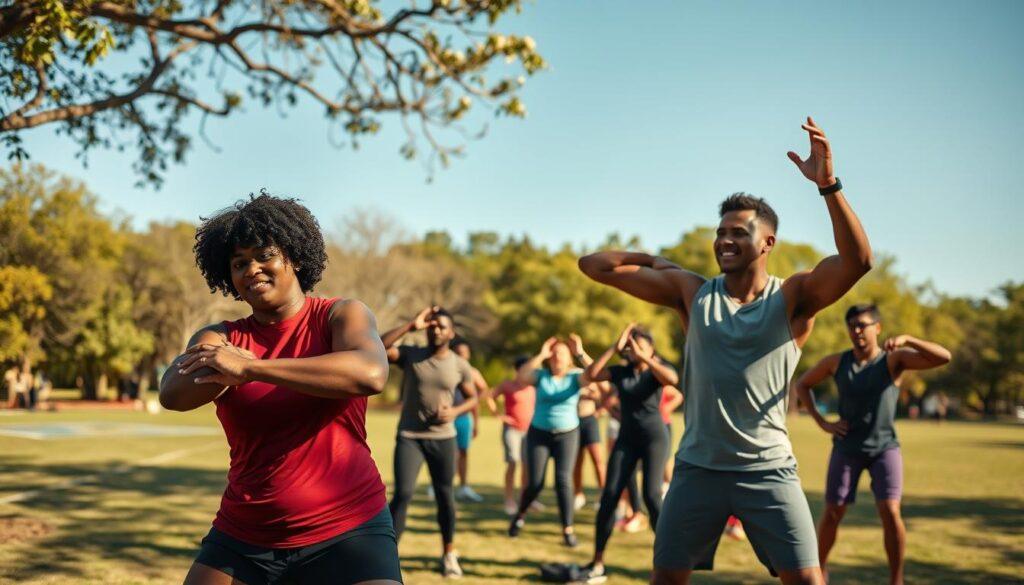
Many retired athletes forget about their health after they stop playing. But, the smart ones keep it in mind. They switch up their fitness routine, like trying Pilates instead of squats. This change is not a punishment but a new way to care for your body.
Creavalle is a great example. While others binge-watched, he worked on a Black Lives Matter armband for the MLS. This creative project helped him stay mentally healthy. It shows how former players can make a difference and stay well.
Healthy habits for retired athletes aren’t just about food. They’re about finding a new sense of self. When the structure of a professional team goes away, you need to build a new routine. Remember, rest is not a weakness. A short walk with a podcast can be as good as a pre-game meal.
The main goal is to live a long, fulfilling life, not just to look back at highlights. It’s about enjoying the journey and finding new ways to live well after sports.
How Ventures Support Girls in Sport Scholarships Safe Fields Coaching Ed
To truly support girls in sports, we must build foundations that encompass safety, education, and empowerment. Investing in women’s sports and underserved communities is a game changer. It’s easy to write a check; it’s hard to build a safe field. Today, philanthropy has evolved from guilt-ridden charity galas to high-impact ventures that focus on real outcomes.
Scholarships are no longer just about covering camp fees. They now fund STEM education alongside dribbling drills, preparing young women for a future where they can excel both on and off the field. The “safe fields” movement emphasizes not just softer turf, but creating psychological safety zones where girls can learn without the pressure of a win-at-all-costs culture.
Take Creavalle’s after-school program in Chester, Pennsylvania. On the surface, it’s a jersey design workshop. Yet, on a deeper level, it’s a Trojan horse for design thinking, entrepreneurship, and self-expression. He’s not just teaching kids to kick a ball; he’s equipping them with the tools to create the apparel they wear. This approach is the new coaching education. It’s not about the 4-4-2 formation; it’s about teaching young women to navigate a world that often excludes them.
These ventures recognize that a soccer pitch is just a green rectangle until you layer it with mentorship. The return on investment for these projects isn’t measured in goals scored, but in confidence gained and cycles of poverty broken. It’s the ultimate long-term play. For more inspiring stories of former women soccer players creating impact beyond the pitch, check out this link.
Career Advice for Rec Athletes Networking Certifications Portfolio Building
So, you’ve played in weekend matches and now want a career in sports. You’re in good company! Many recreational athletes are making this move. But, they often miss some key steps. Let’s explore the basics: Networking, Certifications, and Portfolio Building.
Networking is your first step. It’s not just about collecting business cards. It’s about making real connections. Ian Babcock, from *Chat By The Pitch*, built his platform by having meaningful talks with soccer stakeholders. This way, you build relationships and learn more about the industry.
Now, let’s talk about Certifications. In today’s world, having a coaching badge is like having an MBA. If you want to run a coaching business, you need more than passion. Parents want to see your credentials, like safeguarding badges and first-aid training. The modern parent-coach relationship demands it.
Lastly, let’s look at Portfolio Building. Your portfolio should show your analytical skills, not just your athletic prowess. Start a blog or substack to analyze youth tactics. Record podcasts with local club heroes. Show that you can think critically about the game, not just play it. The barrier to start a coaching business is low, but credibility is key.
In conclusion, becoming a successful coaching business owner is more than just playing sports. It takes strategy in networking, getting the right certifications, and building a strong portfolio. For more on how former college athletes make this transition, read this article on career transition programs in the NCAA.

Volunteer Donate Attend How to Plug into Impact Projects
Are you ready to turn your love for soccer into something bigger? Getting involved in impact projects is more than just giving back. It’s a way to use your resources to make a difference. Here are three steps to get started: volunteer, donate, and attend.
Volunteer. If you have free time, use it to help out. Don’t just play soccer; use your skills to make a difference. If you’re an accountant, help with the finances of a local coaching program. If you’re a lawyer, help a nonprofit with their legal needs.
Donate. If you can’t give time, your money can help too. But don’t just give to big organizations. Look for local nonprofits where former players are making a difference. Your $50 could change a child’s life.
Attend. Your presence is important. Go to community meetings, fundraising events, or listen to podcasts like Chat By The Pitch. These events show that former players’ work is valued. It’s not just about learning; it’s about being part of the change.
So, raise your hand and join the movement. The future of soccer is being shaped in local communities and online. Don’t just watch; be part of this exciting change!

Book and Podcast Picks from Each Alumna
What do retired women soccer icons read and listen to after they retire? Their choices show a wide range of knowledge and insights. Each book or podcast they recommend tells a part of their story and the lessons they’ve learned.
For example, the podcast *Chat By The Pitch* is a favorite. Hosted by Ian Babcock, it explores soccer in-depth. Topics include:
- The realities of youth soccer culture
- Coaching philosophy and player development
- Leadership and communication strategies
- Parenting athletes in today’s environment
- The mental side of competition
- Building healthy club culture
- Technology’s impact on the game
- Grassroots to elite pathways
This podcast stands out from the usual quick opinions. It offers in-depth talks that are both informative and fun. It’s like a mental workout that’s sometimes tough but always worth it.
These athletes also have varied reading interests. For example:
- The founder of a nonprofit might be engrossed in lean startup methodologies.
- The advocate could be tuning into legal podcasts focused on civil rights.
- The coach might explore breathing techniques and nervous system regulation.
These books and podcasts not only make their lives richer but also help them lead and inspire others. As the saying goes, “You are what you read.” These women are reading to grow and lead.
Impact Tracker KPIs and Success Snapshots
Measuring the impact of former players off the field needs data-driven decisions. Warm feelings alone can’t build fields or provide scholarships. We must analyze social outcomes as seriously as we do sports stats. Welcome to the Impact Tracker.
The KPIs here are clear and important. Let’s look at some key metrics:
- Scholarships awarded: How many girls got scholarships?
- Safe fields built: How many safe fields were made in food deserts?
- Coaches educated: How many coaches learned about trauma-informed practices?
These numbers show real changes in lives. We’re focusing on real impact, not just “impressions.” A success snapshot is more than a photo with a big check. It’s a study showing kids in after-school programs graduate 20% more often. That’s a story worth telling.
Creavalle’s journey shows us the importance of qualitative KPIs. He moved from designing for himself to designing for others. This change is what we should track.
We need to see the effect of a single armband on TV. Did it change policies? Did it influence corporate spending? The Sage archetype wants proof. We’re done celebrating intentions; now we check the results. For more on this, see this KPI comparison discussion.
Action Steps Join Mentor or Sponsor a Program
The final whistle on this article signals a call to action. It’s time to shift from passive observation to active participation. Former players off field impact is profound, and you can be part of that change.
First, join the conversation. Engage with podcasts like Chat By The Pitch, where real discussions take place. These platforms focus on the nuances of player development and leadership. Listening to these voices can reshape your understanding of the game beyond just scores.
Next, consider mentoring. You don’t need to have a trophy cabinet to offer guidance. If you have expertise in finance, marketing, or law, your insights can empower a former athlete. A simple hour-long Zoom call can help them navigate the challenges of starting a coaching business or a nonprofit. Your experience is invaluable.
Lastly, sponsor a program. This is where your financial support can create tangible change. Many corporate budgets allocate funds for wellness and diversity initiatives. Redirecting these resources to ventures led by retired women soccer players can amplify their efforts on the ground. Buy the armband, fund scholarships, and invest in the future of the game.
Remember, the legacy of a player is not measured by goals scored but by the infrastructure built for future generations. The ball is at your feet. What will you do with it?