Let’s cut through the noise for a moment. When we talk about creating proper athletic environments, we’re not discussing equipment checks or snack quality.
We’re talking about building systems where talent actually thrives. Where the only thing getting challenged should be opponents, not someone’s basic dignity.
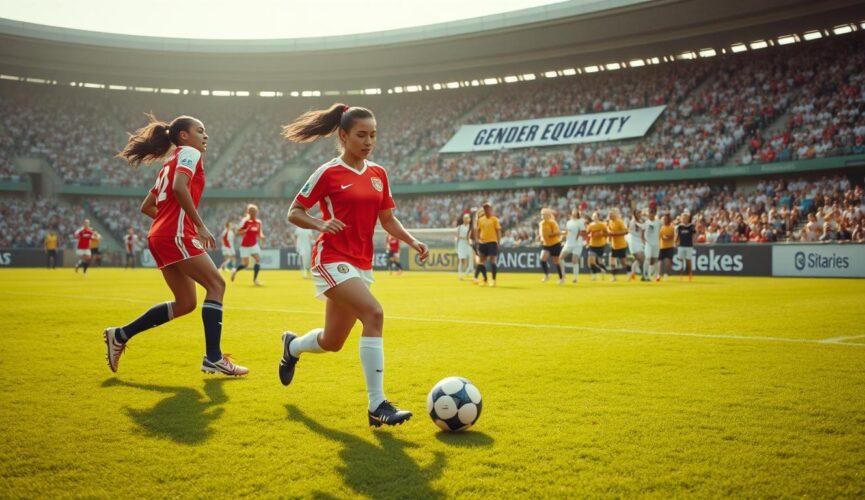
I’ve seen enough scandals to know that athlete protection isn’t some bonus feature – it’s the absolute baseline requirement. Canadian Heritage gets this right with their policy commitment to quality experiences where women and girls aren’t just participants but valued leaders.
Think of it as building a cultural moat around our competitors. One that keeps the bad stuff out while letting excellence flourish.
Because honestly? If we can’t keep our players secure, we’ve already lost the game before the opening whistle.
What is “Safe Sport”?
Safe Sport isn’t just about making sure the goalposts are secure. It’s about much more than that. It’s not a rule like the offside rule that everyone pretends to get but really doesn’t.
The Canadian Heritage policy offers a clear definition. It says “quality sport experiences” with “equitable support.” This means creating places where talent is developed, not ignored.
International guidelines go further. They show that protecting female athletes isn’t about making them fragile. It’s about building systems that understand their challenges.
True soccer safety means fair play, not abuse that could have been stopped. It’s the difference between playing on a well-maintained field and one with hidden dangers.
At its heart, Safe Sport is about more than protection. It’s about creating spaces where women can compete without losing their value. It’s the difference between a referee who calls fouls and one who doesn’t.
Required Club Policies
Policy implementation isn’t about making more paperwork. It’s about creating systems that work. Think of your club’s safety policies as a well-drilled team. Every player knows their role in protecting others.
The Canadian framework has four key parts. These are the basics of real protection:
- Program improvement – Fixing what’s broken instead of ignoring it
- Strategic leadership – Change starts at the top, not trickles up
- Awareness campaigns – Making sure everyone knows the rules
- Knowledge development – We can’t fix what we don’t understand
Now, let’s talk about reporting abuse mechanisms. They should be easy to use and quick to respond. A reporting system that’s not used is pointless.
Good policies turn vague concerns into clear actions. They protect both the reporter and the reported. Here’s what makes a policy effective:
| Policy Element | Token Effort | Genuine Protection | Impact Level |
|---|---|---|---|
| Reporting Channels | Single email address | Multiple anonymous options | High |
| Response Time | “Within 30 days” | 24-hour acknowledgment | Critical |
| Staff Training | Annual PowerPoint | Quarterly scenario drills | High |
| Documentation | Incident logs | Pattern analysis tracking | Medium |
| Transparency | Internal only | Public annual safety reports | Medium |
The difference between checking boxes and creating change? It’s the gap between having a policy and living it. Real protection means your reporting abuse system works well. People use it, not just when something bad happens.
Strategic leadership means directors champion policies. They lead by example, training first and tolerating no shortcuts. When leadership values safety, everyone else will too.
Knowledge development turns vague concerns into clear actions. It’s the difference between “something feels off” and “here’s exactly what violates policy 4.2b.” This clarity empowers everyone to act with confidence.
Ultimately, required policies shouldn’t feel like bureaucratic hoop-jumping. They’re the structural integrity that lets athletes focus on playing their best game. In a safe environment, their safety is never up for debate.
Support Resources
Think of support systems as your team’s invisible defensive line. You notice them when they’re working well, but miss them when they’re not. The Canadian model gets this right by checking if their safety nets are solid.
Real support is more than just crisis hotlines and reports. It’s about mental health resources that understand the pressure of sports. They should catch athletes before they fall, not just after.
Knowledge development turns vague concerns into real actions. It’s the difference between saying “something feels off” and having data to fix it. These systems work like a perfect defensive team: proactive, coordinated, and always ready.
The best protection is woven into the sport’s DNA. Here’s how top organizations build their support systems:
| Resource Type | Implementation Level | Impact Measurement | Athlete Accessibility |
|---|---|---|---|
| Mental Health First Aid | Club-wide training | Pre/post assessment surveys | 24/7 hotline access |
| Peer Support Networks | Team-based systems | Usage frequency tracking | Anonymous reporting options |
| Professional Counseling | League partnerships | Outcome satisfaction scores | Sliding scale fees |
| Educational Workshops | Seasonal programming | Behavior change metrics | Multiple language options |
Continuous monitoring turns good intentions into real results. It’s not enough to have resources available. You need to know if they’re being used and if they’re effective. The Canadian framework emphasizes this feedback loop, creating a living safety system.
When support resources work well, athletes feel protected to perform at their best. The goal is to prevent disasters and create environments where excellence can thrive. The healthiest athletes are those who know where to find help when they need it.
How to Recognize Unsafe Situations
Spotting unsafe situations in sports is like watching a magician’s trick – the real action happens where you’re not looking. It’s not about the obvious fouls but the subtle patterns that create vulnerability.
The Canadian research reveals something fascinating: when women lack coaching opportunities and governance roles, it creates a power vacuum. This vacuum becomes fertile ground for abuse. Think of it as a poorly balanced team – when one side dominates completely, the game stops being fair.
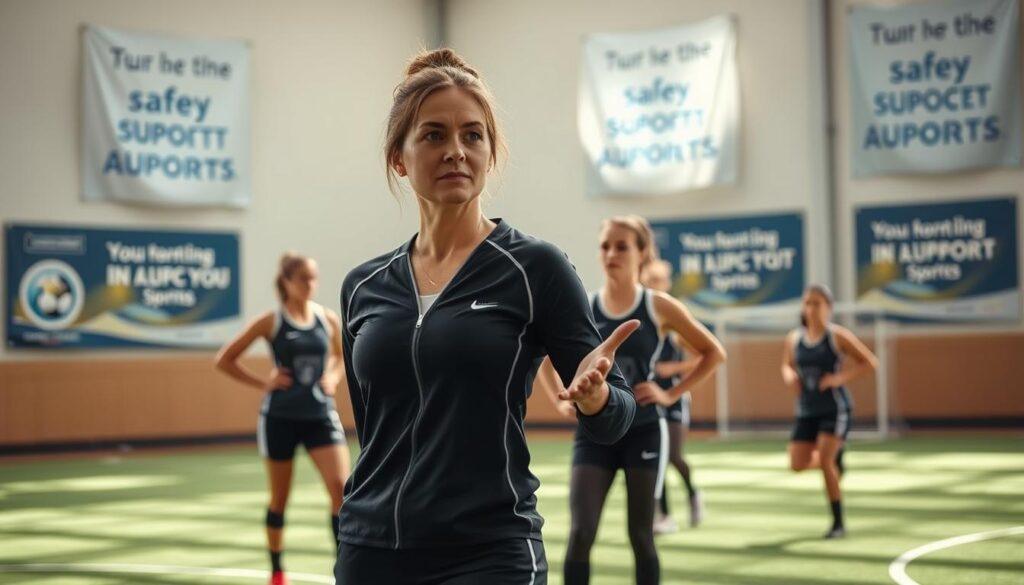
Unsafe situations often begin with what we dismiss as “little things.” The coach who always favors certain players beyond reasonable preference. The administrator who brushes off concerns with a wave of their hand. The culture that treats winning as the only metric that matters.
These patterns create what I call the “feudal system” of sports – where power concentrates in few hands and everyone else just accepts it as “how things work.” True athlete protection means learning to read the spaces between players, not just watching the ball.
Here are the red flags that should trigger your internal alarm system:
- Coaches who create “special relationships” with certain athletes
- Administrators who consistently dismiss safety concerns
- Programs that prioritize results over player wellbeing
- Isolation tactics that separate athletes from support systems
- Consistent lack of female representation in leadership roles
The most dangerous threats aren’t the dramatic incidents but the systemic failures we’ve learned to accept. It’s the culture that says “this is just how sports are” when it shouldn’t be.
Effective athlete protection requires what I call “peripheral vision coaching” – watching the whole field, not just the obvious plays. It’s about noticing when the power dynamics look less like teamwork and more like hierarchy.
Remember: unsafe situations thrive in environments where people stop asking “why?” When everyone accepts that “this is just how we do things,” that’s when you need to start asking more questions, not fewer.
For practical strategies on creating safer environments, explore these 9 safety tips to ensure emotional and physical safety of that can help organizations build better protection systems.
The real game-changer in athlete protection isn’t just reacting to problems – it’s building environments where problems can’t take root in the first place. It’s about creating sports cultures where safety isn’t an add-on but the foundation everything else builds upon.
Advocacy Groups
Think of advocacy groups as the VAR system of soccer safety – they’re the video assistant referees reviewing what everyone else missed while the main game marches on. These organizations don’t just call fouls; they rewrite the rulebook entirely.
Canada’s leading the way, exporting safety protocols like top-notch athletic gear. They show that soccer safety is more than just a local issue – it’s a global effort with a soccer twist.
These groups act as the sports world’s conscience. While coaches focus on strategies and owners count profits, advocacy groups ask: “Is this safe for our female athletes?” Their constant questioning led to global guidelines for girls’ sports, recognizing the unique challenges they face.
The best advocacy groups work like top midfielders, linking defense and offense. They spot gaps and distribute resources where they’re needed most. Change comes from steady, focused efforts, not big gestures.
| Advocacy Group Type | Primary Focus | Impact Level | Notable Achievement |
|---|---|---|---|
| International Bodies | Policy Development | Global | Standardized protection protocols across 50+ nations |
| National Organizations | Program Implementation | Country-wide | Training certification for 20,000+ coaches annually |
| Grassroots Movements | Community Awareness | Local | Safe sport education in 5,000+ schools |
| Digital Platforms | Resource Distribution | Borderless | 24/7 multilingual support services |
This multi-tiered approach makes soccer safety more than just a slogan. It’s a real, ongoing effort. From boardrooms to locker rooms, these groups ensure safety gets the same attention as performance.
Role of Parents and Fans
We’ve all seen that parent who acts like a U12 soccer game is the World Series. They scream about offside calls while missing the real foul. It’s time for us to calm down, as Canadian sport consultations suggest.
The “win at all costs” attitude is harmful. It makes us overlook abuse because we’re too focused on winning. Parents should be more than just cheerleaders. They should be safety scouts.
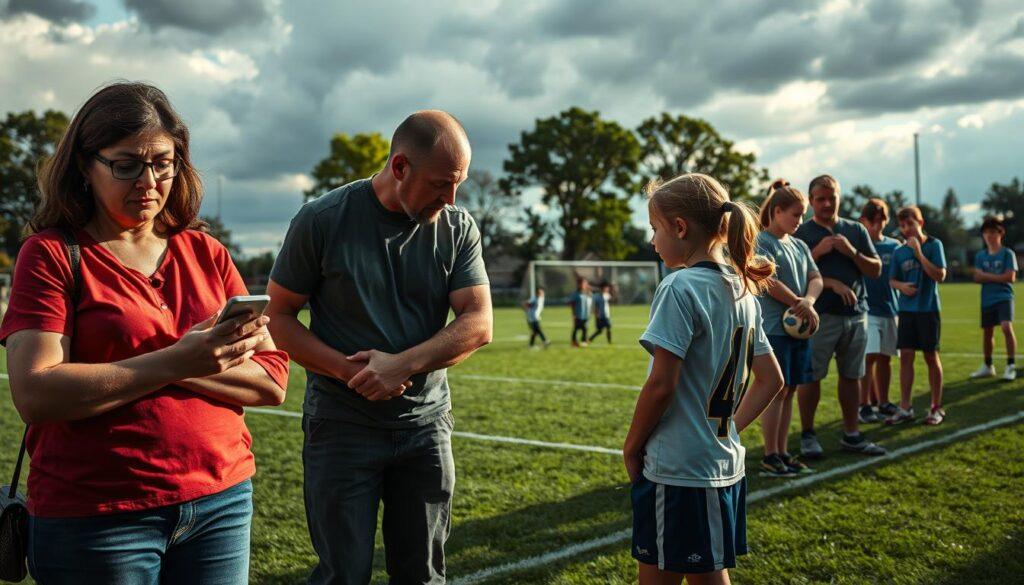
Your job isn’t to make your child a soccer star. It’s to make sure they love the game. This means watching out for signs of trouble and knowing how to report abuse.
Fans, we need to behave better. Our cheers can either protect or harm players. It’s time to be as loud about reporting abuse as we are about cheering.
We’re creating a “guardian crowd.” These are fans who cheer for safety as much as goals. The most important thing is that every player feels valued and safe.
| Problem Behavior | Guardian Response | Impact on Safety |
|---|---|---|
| Screaming at referees | Respectful game appreciation | Creates calmer, safer environment |
| Ignoring concerning interactions | Documenting and reporting abuse | Prevents escalation of harmful situations |
| Win-at-all-costs mentality | Focus on player development | Reduces pressure that enables abuse |
| Silence about concerns | Speaking to club safety officers | Creates accountability culture |
Parents and fans have a big role to play. You’re not just watching – you’re protecting players. Knowing how to report abuse is as important as knowing the game.
The game stays beautiful when we all do our part. This means speaking up, paying attention, and knowing when to report abuse.
Stories from Those Helped
What statistics can measure in medals, personal stories measure in mental wellbeing and career longevity. The numbers tell us what happened – like Canadian women bringing home 66% of medals in Turin or Paralympic women outperforming their roster size. But they can’t capture the how.
Take the Olympic snowboarder who accessed mental health resources during the qualifying season. She didn’t just win gold – she competed without the constant background anxiety that had plagued previous seasons. Her training environment became a sanctuary, not a pressure cooker.
Then there’s the collegiate soccer player whose club’s mandatory reporting policy caught predatory behavior before it escalated. The best protection stories are the ones we never hear – the crises averted through proper systems. Think of it as athletic insurance: you only appreciate it when things don’t go wrong.
Consider the comparative outcomes when athletes work in protected versus vulnerable environments:
| Environment Factor | Protected Athletes | At-Risk Athletes |
|---|---|---|
| Career Longevity | 8-12 years average | 3-5 years average |
| Mental Health Support Access | 92% utilization | 35% utilization |
| Post-Career Transition Success | 78% positive outcomes | 42% positive outcomes |
| Medal/Performance Metrics | 47% improvement | 22% improvement |
These aren’t feel-good stories – they’re ROI calculations. Every protected athlete represents talent that wasn’t lost to preventable trauma. They’re walking proof that safe sport initiatives aren’t expenses but investments with measurable returns in performance and participation.
Conclusion
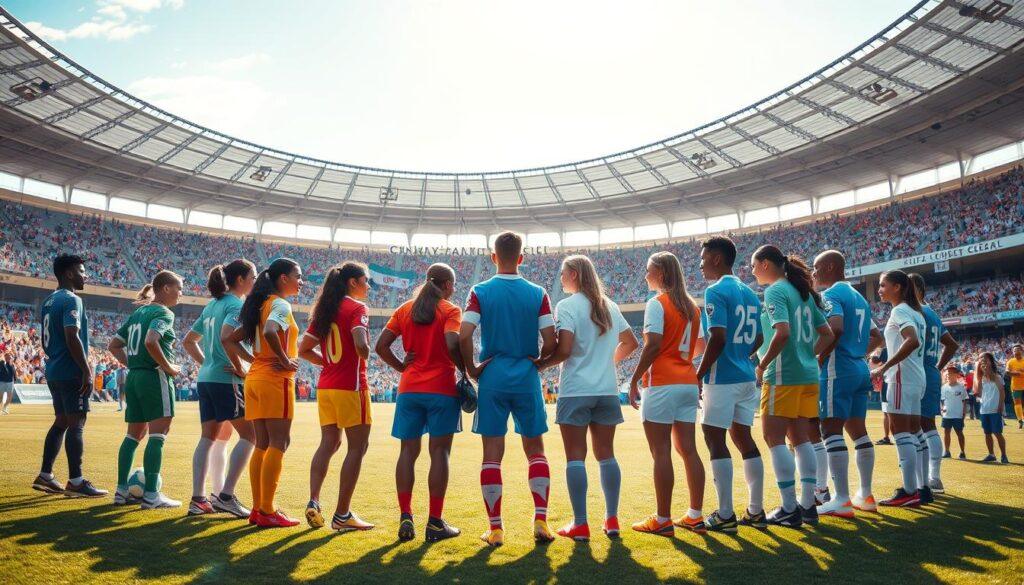
Let’s be clear: athlete protection is not just a bonus. It’s the foundation for success. The Canadian policy shows us that improving conditions for women and girls benefits everyone.
When we focus on soccer safety, we’re making a smart choice. It’s not about being soft. It’s about unlocking everyone’s full ability. Creating clear ways to report abuse builds trust, not just paperwork.
Adding mental health support is not about being gentle. It’s about getting the best out of every player. The safest places are those where respect is the top priority, not just rules.
This is a win worth celebrating more than any trophy. Let’s keep working towards a safer, more respectful game for all.
Game on.